The psychological influence of layout
Casino design significantly affects player behavior, primarily through the psychological influence exerted by the layout. The arrangement of gaming machines, table games, and amenities is carefully planned to encourage exploration and increase dwell time. By creating a maze-like environment, casinos can stimulate curiosity and encourage players to wander from one area to another, leading to increased gambling activity and facilitating a smooth rocket casino login process that keeps them engaged for longer periods of time. A well-thought-out layout also minimizes distractions and enhances focus, thus prolonging players’ engagement with games.
Furthermore, the design often includes strategically placed signage that directs players towards certain areas, like high-stakes rooms or newly opened slots. This not only aids in navigation but also creates an intentional flow that keeps players engaged. For instance, placing popular games near entrances draws players in, while well-placed refreshments and lounge areas encourage them to stay longer. Understanding how spatial design affects player psychology can result in more effective design choices that align with business objectives.
Additionally, environmental factors such as lighting, color schemes, and sound play a crucial role in shaping player behavior. Bright, inviting lights and vibrant colors typically stimulate excitement, while strategic sound levels can enhance the gaming experience. Casinos often employ ambient sounds or music that resonates with players to create a lively atmosphere. By fostering an emotionally charged environment, casinos can influence players’ spending habits and overall mood, ultimately enhancing their gaming experience.
The role of amenities and comfort
Beyond gaming, amenities like restaurants, bars, and lounges play an essential role in the overall design of a casino and its effects on player behavior. The availability of comfortable seating areas, quality dining options, and entertainment can significantly impact the time players spend on the premises. When players feel comfortable and catered to, they are more likely to extend their stay and spend more money. Comfortable spaces encourage social interaction and can lead to longer periods of gambling as players relax and enjoy their surroundings.
Furthermore, the integration of amenities into the casino design creates a holistic approach that enhances the player experience. For example, offering complimentary drinks and meals can entice players to stay longer, as they feel pampered. Casinos that recognize the value of customer comfort often see a higher return on investment, as satisfied players are more likely to return in the future. This balance between gaming and leisure is vital for maintaining player interest over extended periods.

Additionally, the design of amenities should consider the social aspects of gambling. Casinos can foster social interaction among players by creating communal areas and group gaming options. This not only enhances the entertainment value but also builds a sense of community among players. The design in these cases becomes an essential factor in encouraging players to engage with both the games and one another, ultimately leading to repeat visits and a loyal customer base.
The impact of visual and sensory elements
The use of visual and sensory elements in casino design is another critical factor influencing player behavior. The integration of art, themed decorations, and visual cues can create a unique atmosphere that resonates with players. For instance, casinos utilizing themes based on popular cultures or historical eras provide an immersive experience that can draw players in and keep them engaged. The visual storytelling presented through the decor enhances the overall environment and helps to create lasting memories.
Moreover, sensory elements like scent and sound can further enhance this immersive experience. Casinos often employ pleasant fragrances to create a welcoming atmosphere, while specific sounds—such as the ringing of slot machines or the clinking of chips—can signal excitement and anticipation. These sensory stimuli not only attract players but also serve to reinforce positive associations with the gambling environment, encouraging them to indulge for more extended periods. By appealing to multiple senses, casinos can effectively amplify the emotional highs associated with gaming.
Also, the design can significantly influence players’ decision-making processes. By positioning visually appealing games at eye level and strategically placing new games in prominent locations, casinos can drive players toward specific options. This crafted visibility plays a pivotal role in shaping players’ choices and can lead to increased playtime on designated games. The more engaging the visuals, the higher the likelihood that players will gravitate towards them, reinforcing the importance of thoughtful design in enhancing player behavior.
The significance of branding and themes
Branding and thematic elements are integral to a casino’s design strategy, shaping player perceptions and behaviors in profound ways. A well-established brand can evoke a sense of familiarity and trust among players, encouraging them to choose that casino over others. The design often reflects the casino’s identity—whether luxurious, modern, or family-friendly—communicating these themes through every element from signage to furnishings. This consistency strengthens brand loyalty and impacts the frequency of visits by players.
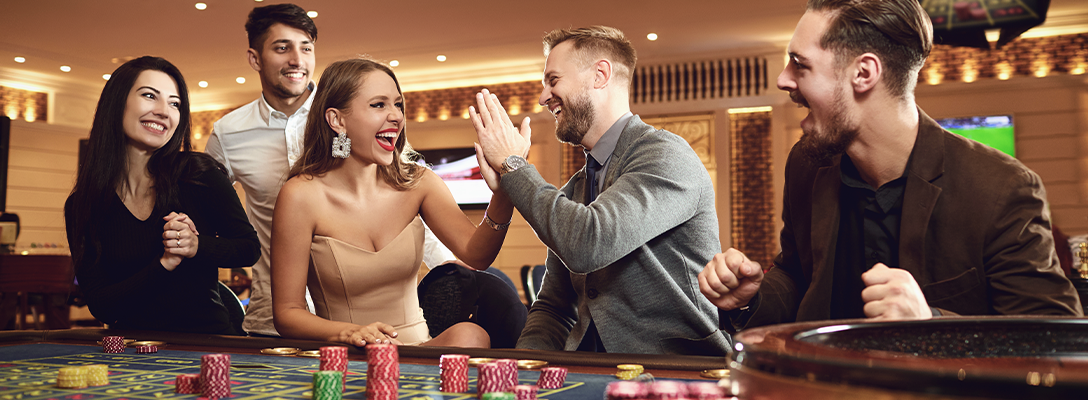
Thematic design allows casinos to create memorable experiences that resonate with players. By incorporating unique themes—such as tropical islands or Las Vegas glamour—casinos can differentiate themselves in a competitive market. The immersive nature of such themes captivates players’ imaginations and enhances their gaming experience. Players may be more inclined to visit a casino that offers a distinctive atmosphere or theme, leading to increased foot traffic and prolonged engagement.
Moreover, branding and themes also play a role in marketing strategies. Casinos often host events, promotions, or tournaments that align with their thematic elements, further enhancing player participation. This approach not only boosts engagement but allows for community building among players who share similar interests. As a result, a cohesive approach to branding and design can significantly influence player behavior, fostering loyalty and encouraging repeat visits.
Exploring the website’s design and features
The website for any casino plays a pivotal role in the broader design strategy and its impact on player behavior. An effective casino website should reflect the same immersive elements found in the physical space, merging aesthetics with functionality. A well-designed website draws players in with attractive visuals, easy navigation, and user-friendly interfaces, thereby significantly influencing their likelihood of engaging with the online platform. The virtual experience sets the tone for players’ expectations and interactions, mirroring the excitement they can find in a physical casino.
Additionally, the website must present compelling content that aligns with the casino’s brand image. This includes high-quality graphics, informative content about games, promotions, and events, and engaging multimedia elements. By creating an engaging online atmosphere, casinos can captivate users and encourage them to explore further. This virtual invitation can lead to increased online play and a stronger overall connection with the brand, reinforcing the importance of design in retaining player interest.
In conclusion, the design of the casino website must complement the physical design to create a unified experience. Features such as live chat support, responsive design, and exclusive online promotions enhance user interaction, making the player feel valued and catered to. A comprehensive approach to casino design, both physical and digital, can maximize player satisfaction and drive behavior, laying the groundwork for a loyal customer base that is likely to return repeatedly.